

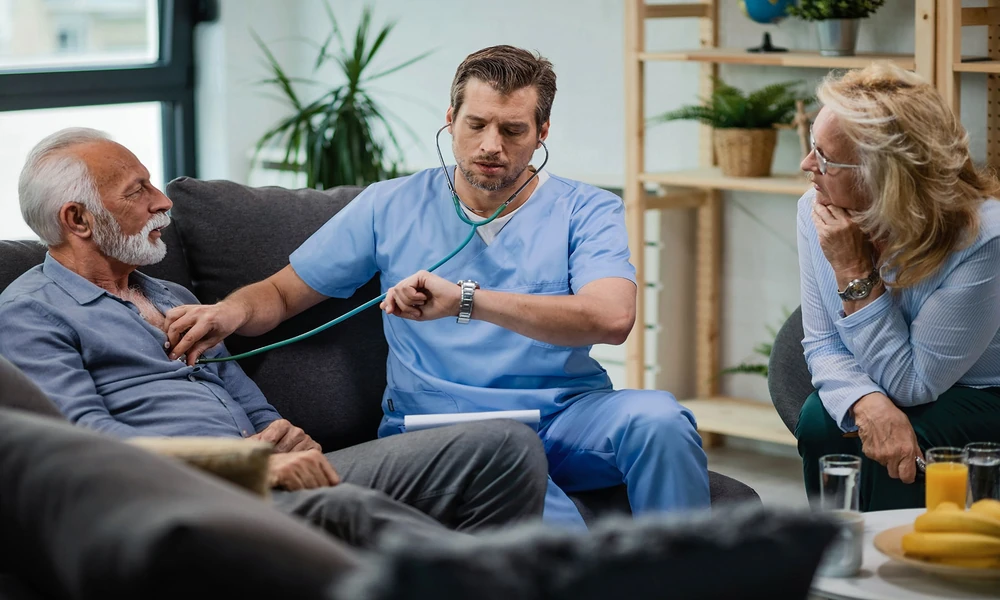
A hospital discharge does not always mean an older adult is ready to return home safely. Many seniors need extra time to rebuild strength, regain independence, and recover from surgery, illness, or injury before managing daily activities on their own. Families may wonder what happens after admission to a rehabilitation center and how long the recovery process takes. This article explains each step of short-term senior rehabilitation, from admission through discharge planning, so you know what to expect and how to prepare.
Admission Starts the Recovery Process
Admission is more than completing paperwork. The rehabilitation team reviews medical records, medications, recent hospital treatment, and current physical abilities to understand each person’s recovery needs. Choosing short-term rehab for seniors allows healthcare professionals to create a personalized rehabilitation program instead of using the same approach for everyone. A nurse, physician, therapist, and discharge coordinator work together to establish recovery goals, begin transitional care planning, and identify services needed after post-hospital recovery.
The Care Team Creates a Rehab Plan
A personalized rehabilitation plan gives every therapy session a clear purpose. Recovery goals depend on the person’s diagnosis, mobility, strength, and daily living needs while focusing on realistic recovery milestones.
Physical Therapy Goals
Physical therapists work on balance, walking, endurance, and mobility training based on the patient’s condition. Someone recovering from a knee replacement may practice climbing stairs, while another recovering from a stroke may focus on standing safely with assistance. Most patients participate in therapy several days each week, although the schedule depends on physician recommendations and individual tolerance.
Daily Living Skills
Occupational therapists help patients practice everyday tasks such as dressing, bathing, preparing meals, and safely moving around the home. Therapy focuses on real-life situations that improve independence after discharge. Family members may also attend selected sessions to learn safe transfer techniques and understand how to provide support at home.
Progress Is Reviewed Throughout Rehab
Recovery does not happen at the same pace for every patient. The care team regularly evaluates therapy results, adjusts treatment, and measures progress toward recovery milestones. Families are encouraged to participate in care meetings because their questions and observations help prepare for a smoother care transition.
The team commonly reviews:
- Walking, balance, and mobility improvements
- Pain management and medication response
- Progress with daily activities
- Goals that require additional rehabilitation services
- Readiness for a safe discharge
The length of stay depends on the patient’s medical condition, therapy progress, and physician recommendations. Some seniors return home within a couple of weeks, while others benefit from a longer rehabilitation program before discharge.
Discharge Planning Begins Early
Discharge planning usually begins several days before the expected return home. Case managers coordinate equipment, follow-up appointments, home health referrals, and transportation so families have enough time to prepare.
Preparing the Home
The care team may recommend grab bars, walkers, shower chairs, improved lighting, or the removal of loose rugs before discharge. Families also receive written care instructions, medication schedules, and recommendations for follow-up therapy. Completing these preparations before returning home reduces safety risks and helps recovery continue without unnecessary delays.
Planning Follow-Up Care
Recovery continues after rehabilitation ends. Some patients receive home health services, while others attend outpatient physical or occupational therapy. Follow-up visits with physicians help monitor healing and determine if additional rehabilitation services are needed as recovery progresses.
Professional Support Helps Recovery Continue
Successful recovery depends on coordination between therapists, nurses, physicians, case managers, patients, and caregivers. Experienced rehabilitation professionals recognize when treatment plans should change and help families prepare for a safe transition home. Before choosing short-term rehab for seniors, review the therapies and rehabilitation services available through the short-term rehab services page to compare options, understand available support, and prepare more informed questions during the admission process.
Returning home is an important milestone, but successful recovery depends on careful planning before discharge. Understanding each stage of rehabilitation helps families feel more confident while supporting their loved one’s recovery. Creating a checklist for admission, therapy goals, home safety, caregiver responsibilities, and follow-up appointments makes the transition smoother and helps older adults continue building strength and independence after rehabilitation ends.