

Key Takeaways
- Coordinate colours rather than wearing identical outfits to create balanced photographs.
- Choose clothing that suits the location, theme, and season of your pre-wedding photoshoot.
- Mix textures and complementary styles to add depth without overwhelming the images.
- Plan outfit changes carefully to maximise the time available during the session.
- Discuss wardrobe choices with your photographer before visiting the photo studio.
Introduction
A well-planned pre-wedding photoshoot is about more than selecting attractive locations and poses. Clothing plays a major role in creating a consistent visual story throughout the session. Outfits that complement one another help couples look connected without appearing overly coordinated. Careful planning also reduces last-minute wardrobe issues and ensures that every photograph maintains a polished appearance. Whether the session takes place outdoors or in a photo studio in Singapore, choosing coordinated outfits helps create a cohesive collection of images that reflects both personalities and the intended style.
Start with a Shared Theme
Before selecting individual outfits, decide on the overall concept of the photoshoot. Some couples prefer a formal look with elegant evening wear, while others choose smart casual clothing for a relaxed atmosphere. Others may opt for a vintage, minimalist, or contemporary style. Having a shared theme makes every wardrobe decision easier because each outfit supports the same visual direction. Once the theme is established, every element, including colours, fabrics, footwear, and accessories, can be selected to reinforce a consistent appearance. This approach also helps photographers plan suitable lighting, backgrounds, and compositions that match the chosen style.
Choose Complementary Colours Instead of Matching Exactly
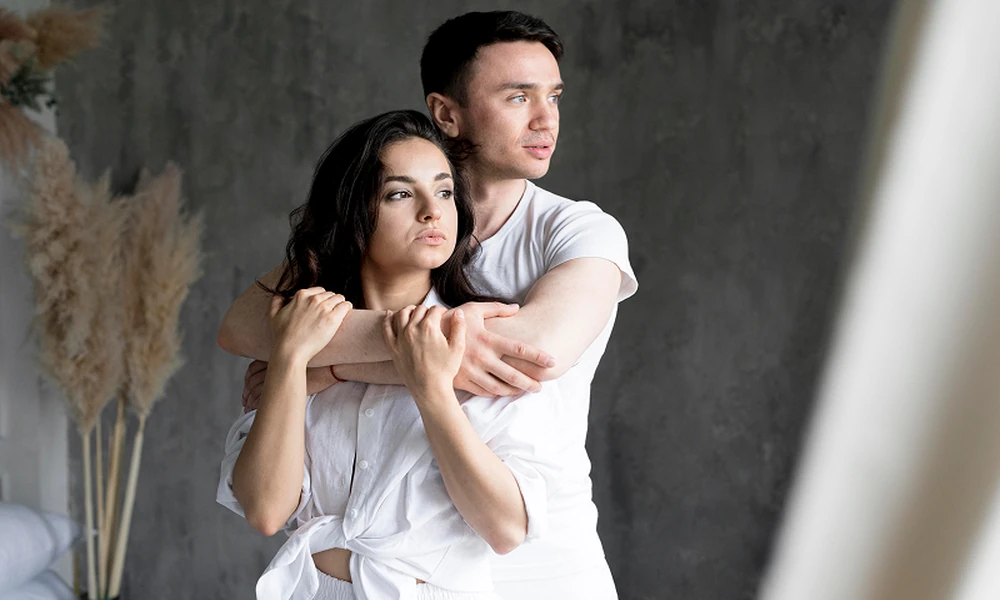
Many couples assume they should wear identical colours, but complementary colour palettes generally produce more balanced photographs. Neutral shades such as beige, cream, grey, navy, and soft earth tones work well because they photograph consistently under different lighting conditions. Accent colours can be introduced through ties, scarves, dresses, or accessories without dominating the overall look. Avoid combining too many bold colours or large contrasting patterns, as these can distract attention from the couple. Coordinating colours instead of matching every item creates a more natural appearance while allowing each individual to maintain their own style.
Balance Formality, Fabrics, and Accessories
Both partners should dress to a similar level of formality. If one person wears a formal suit while the other chooses casual clothing, the photographs may appear visually inconsistent. The same principle applies to footwear and accessories. Elegant dresses pair naturally with polished shoes, while casual outfits work better with relaxed footwear choices. Fabric selection also influences the final result. Materials such as linen, satin, chiffon, cotton, and wool each create different textures that add depth to photographs without creating visual clutter. Accessories should complement the outfits rather than become the main focus. Watches, jewellery, hats, or bouquets should enhance the styling while keeping attention on the couple.
Plan Outfit Changes Carefully
Many couples choose to include multiple outfit changes during their pre-wedding photoshoot. A common approach is to begin with formal attire before changing into smart casual clothing for a more relaxed atmosphere. While this adds variety to the final gallery, excessive wardrobe changes can reduce the time available for photography. Selecting two or three carefully planned outfits is usually sufficient. Each outfit should offer a distinct style while remaining connected through similar colour palettes or themes. Preparing clothing in advance, ensuring garments are properly pressed, and organising accessories beforehand allows transitions to take place efficiently during the session.
Consider the Photography Environment
The surroundings should influence wardrobe selection. Outdoor gardens, urban settings, beaches, and heritage locations each suit different clothing styles and colour palettes. Similarly, an indoor photo studio often provides controlled lighting and multiple backdrop options that allow couples to experiment with classic or modern looks. Outfits should work harmoniously with the selected environment rather than compete with it. Discussing wardrobe ideas with the photographer before the session can help identify colours or styles that photograph well against specific backgrounds and lighting conditions.
Prioritise Comfort and Confidence
Well-coordinated outfits should also be comfortable to wear. Clothing that restricts movement or requires constant adjustment can affect posture, facial expressions, and overall confidence during the session. Properly fitted garments allow couples to move naturally and interact comfortably throughout the shoot. Trying on complete outfits beforehand also provides an opportunity to identify fitting issues, coordinate accessories, and ensure that every element works together. Feeling comfortable ultimately leads to more relaxed expressions and authentic interactions, producing photographs that appear natural and timeless.
Conclusion
Coordinating outfits requires planning, communication, and attention to detail, but the results contribute significantly to the success of a pre-wedding photoshoot. Selecting a shared theme, coordinating colours, balancing formality, planning wardrobe changes, and considering the shooting environment all help create a consistent visual style. Working closely with the photographer and preparing outfits in advance ensures the session runs efficiently while producing a collection of images that remain cohesive from beginning to end, whether captured outdoors or in a photo studio.
Visit Our Momento and make the most of your photography experience.