

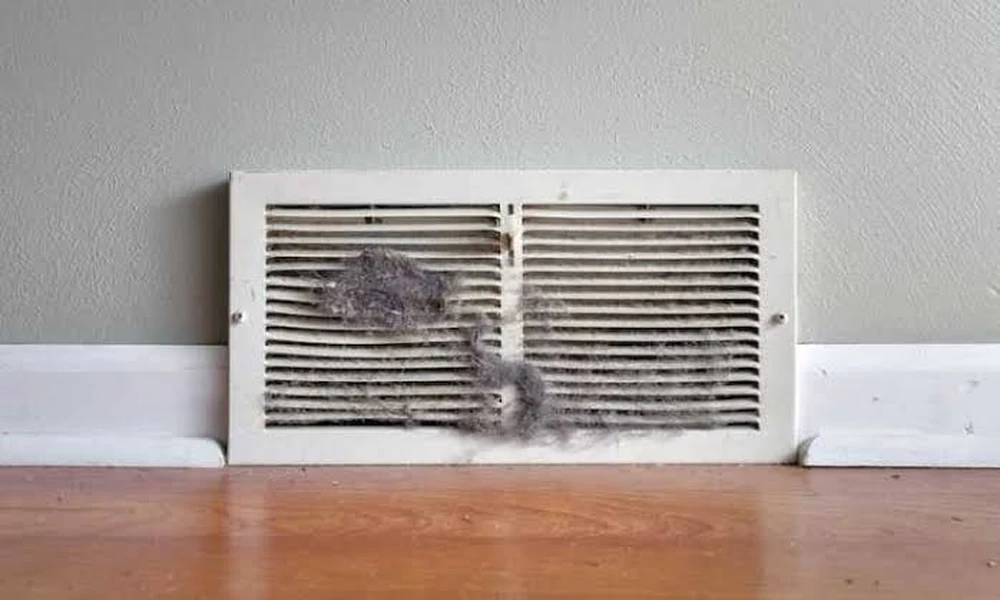
Indoor air quality plays an important role in creating a comfortable home. Dust can accumulate on surfaces, excess moisture can encourage mould growth, and inadequate ventilation can allow indoor pollutants to build up. Although these issues are not always immediately noticeable, they can affect how a home smells, feels and functions, particularly when windows remain closed for long periods.
Understanding these common problems helps homeowners identify when improvements may be needed. Professional indoor air quality services in Naples, FL can help assess concerns such as airborne particles, humidity imbalances and inadequate air circulation. Addressing the underlying causes rather than relying on temporary fixes allows homeowners to make informed decisions about maintaining cleaner, more comfortable indoor spaces.
How Dust Affects Indoor Air Quality
Dust is a mixture of small particles that may include fibres, soil, pollen, skin flakes and other household debris. Everyday activities such as walking, cleaning, handling fabrics and opening doors can disturb settled dust, allowing some particles to become airborne. These particles may circulate through rooms or enter the heating and cooling system, particularly when filters are dirty or airflow is poorly managed.
Regular cleaning can reduce dust accumulation, but the method matters. Damp dusting and vacuuming with a suitable filter can help capture particles rather than spreading them around the room. Changing air filters according to the manufacturer’s guidance, cleaning bedding regularly and keeping clutter under control can also limit dust build-up. If dust remains a persistent problem, indoor air quality services in Naples, FL can help assess ventilation, air filtration and possible entry points from outdoors.
Why High Humidity Creates Problems Indoors
Humidity describes the amount of moisture in the air. When indoor humidity remains too high, condensation may form on cooler surfaces, including windows, walls and pipes. Persistent dampness can encourage mould growth and damage building materials. Musty smells, visible spots and recurring condensation may indicate that moisture needs to be investigated rather than simply covered up.
Everyday activities such as showering, cooking and drying clothes indoors release moisture. Extractor fans, appropriate air conditioning and prompt repairs to leaks can help manage these sources. In humid climates, a dehumidifier may also be useful if indoor moisture remains excessive. Homeowners should address the source of dampness wherever possible, as removing visible mould without correcting the moisture problem may allow it to return.
The Role of Ventilation in a Healthier Home
Ventilation helps remove stale indoor air and introduce outdoor air when conditions are suitable. Without adequate air exchange, pollutants from cooking, cleaning products, furnishings and everyday household activities may accumulate. Poor ventilation can also allow odours and excess moisture to linger, making rooms feel stuffy even when the temperature is comfortable.
Opening windows can improve air exchange when outdoor air quality and weather conditions allow, but it is not always the best option in hot, humid or polluted conditions. Extractor fans in kitchens and bathrooms can remove moisture and cooking-related pollutants close to their source. Where natural ventilation is insufficient, a properly designed mechanical ventilation system may provide more consistent air exchange while supporting the home’s heating and cooling requirements.
Signs Your Home May Need Air Quality Improvements
Some indoor air quality concerns are easy to overlook because they develop gradually. Dust returning soon after cleaning, persistent musty odours, frequent condensation and rooms that feel unusually stuffy can all justify further investigation. These signs do not confirm a particular pollutant or fault, but they can help homeowners identify patterns and decide what to check first.
If these problems continue despite routine cleaning and moisture control, it may be necessary to investigate the underlying causes and identify suitable solutions for the property. Depending on the findings, an assessment may involve checking ventilation, inspecting air filters, measuring humidity or examining visible moisture problems. The appropriate response should be based on the actual conditions rather than assuming that one product or treatment will resolve every issue.
Practical Ways to Improve Indoor Air Quality
Improving indoor air quality usually involves a combination of cleaning, moisture management, ventilation and appropriate filtration. No single measure addresses every source of indoor pollution, so it is useful to focus on the specific problems present in the home. Regular maintenance also helps prevent minor issues from becoming persistent concerns.
Homeowners can begin by cleaning dusty surfaces regularly, replacing or cleaning HVAC filters according to manufacturer instructions, using kitchen and bathroom extractor fans, repairing plumbing leaks and investigating recurring condensation. Keeping ventilation openings clear and maintaining ventilation equipment can also support effective air circulation. If excess moisture persists, a suitable dehumidifier may help, provided the source of dampness is addressed as well.
Closing Thoughts
Dust, excess humidity and poor ventilation can each affect indoor air quality in different ways. Dust contributes to airborne particles, persistent moisture can encourage mould growth, and insufficient air exchange may allow pollutants and odours to accumulate. Recognising these signs helps homeowners identify which parts of their indoor environment need attention.
A practical approach combines regular cleaning, suitable filtration, effective ventilation and control of moisture at its source. When problems continue despite these measures, a professional assessment can help determine the most appropriate next steps. Maintaining these basics supports a cleaner, more comfortable indoor environment throughout the year.