
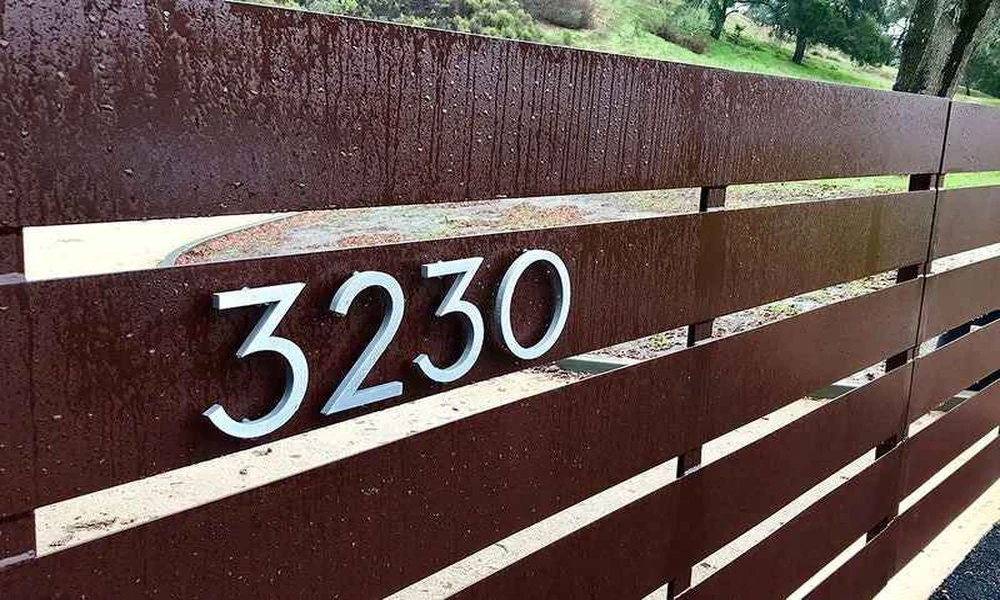
The first impression visitors get of your home often happens curbside, and your house number serves as both a welcome and a statement. Yet, not all number signs are built to last. What separates a plaque that weathers gracefully from one that fades or corrodes within a season? The answer lies in material choice, design, and craftsmanship.
Why Durability Matters for Residential Number Signs
A house number isn’t just a postal requirement. It is a crucial identifier for emergency services, deliveries, and guests, and it plays a surprisingly large role in curb appeal. When executed well, a number sign blends with the architecture and elevates the overall look of a home.
But the real test of a number sign’s quality comes over time. Sun, rain, snow, and pollution can all take their toll, turning once-pristine numbers into faded or rust-stained afterthoughts. That’s why durable materials and thoughtful design are not just luxuries, they’re necessities.
Material Profiles: Exploring Top Choices for Longevity
When selecting a house number sign, the most important factor is how well its material holds up against environmental challenges.
Aluminum: Lightweight, Rust-Resistant, and Versatile
Aluminum is a favorite for its combination of strength, lightness, and resistance to rust. Finishes like powder coating or paint expand the color palette, while making cleaning and upkeep a breeze. Aluminum doesn’t flake or peel easily, making it ideal for homes in rainy or coastal regions.
Stainless Steel: Strength and Modern Appeal
For a sleek, contemporary look, stainless steel stands out. This material resists corrosion and tarnish, even when exposed to the freeze-thaw cycles common in Canadian winters. Brushed or polished finishes can fit both modern and traditional aesthetics.
Bronze and Brass: Classic Elegance Meets Durability
Bronze and brass carry an old-world charm that appeals to traditionalists. While both metals develop a patina over time, this layer actually protects the material beneath. Their dense structure resists dents, offering longevity that can span generations.
Copper: Aging Gracefully with a Patina
Copper is the showpiece of the metal world. Its reddish hues slowly transform into a green patina, creating a living finish that tells a story. This natural oxidation is a shield, not a flaw, and copper plaques can last even in coastal climates.
Acrylic and Vinyl: Affordable Yet Weather-Tolerant Options
Acrylic and high-quality vinyl provide budget-friendly flexibility. They resist fading, cracking, and peeling, especially when UV-stabilized. While not as heavy-duty as metals, advancements in manufacturing have made them respectable choices for many climates.
Case Study: Orthografica’s Approach to Durable Residential Number Signs
Few brands combine durability, sustainability, and design flexibility quite like Orthografica custom address plaques. By customizing every piece to fit the client’s architecture, Orthografica ensures that each sign is as unique as the home it belongs to.
Sustainability is at the core of their material selection, favoring lead-free, mercury-free metals and maximizing recycled content. The production process itself is engineered to reduce waste and pollution, making their products as eco-friendly as they are robust.
Surviving the fluctuating temperatures and harsh winters of Eastern Canada is no small feat. Orthografica’s signs have proven themselves across the continent, and a lifetime guarantee backs every product. If a sign ever fails due to anything other than natural wear, restoration or replacement is covered, a testament to both the materials and the craftsmanship.
Design Considerations Beyond Material Durability
Material isn’t the only factor dictating how long your sign will last. Size and spacing can affect visibility over time, especially as landscaping matures or shadows shift. Finishes should be chosen not just for color, but for their ability to resist sun and pollution. Location matters, too: a sign exposed to sprinklers or salt can age very differently from one under an eave.
Installation and Maintenance: Keys to Extending Lifespan
Even the toughest material will falter if installed poorly. Professional installation is ideal, but detailed templates and instructions make a DIY approach feasible for many homeowners. Routine cleaning, typically just a gentle wipe-down every few months, will stave off the effects of pollution and grime. If any issues do arise, early troubleshooting can prevent larger repairs down the road.
Innovations in Durable House Number Signs
Innovation isn’t limited to materials. Halo-lit and illuminated numbers add nighttime visibility and modern flair, using energy-efficient LEDs that last for years. Meanwhile, eco-friendly sourcing and manufacturing practices are taking center stage, ensuring that durability doesn’t come at the environment’s expense.
Making the Right Choice for Your Home: A Step-by-Step Decision Guide
– Assess your home’s style and environment: Is it exposed to strong sun, salty air, or heavy snow?
– Decide on a look: Modern, classic, or something bold and unique?
– Balance budget and longevity: Sometimes, a higher upfront cost delivers decades of worry-free performance.
– Consult with experts: Custom designers can help you match material, color, and size to your home’s specific needs.
Final Thoughts: Investing in Quality That Lasts
A durable house number sign is more than a finishing touch; it’s a long-term investment in your home’s function and style. When customization, quality materials, and expert design come together, as seen with firms like Orthografica, the result is a sign that stands the test of time and weather. When your address is built to last, both your mail carriers and your sense of pride in your home will thank you.